Keeping knives sharp
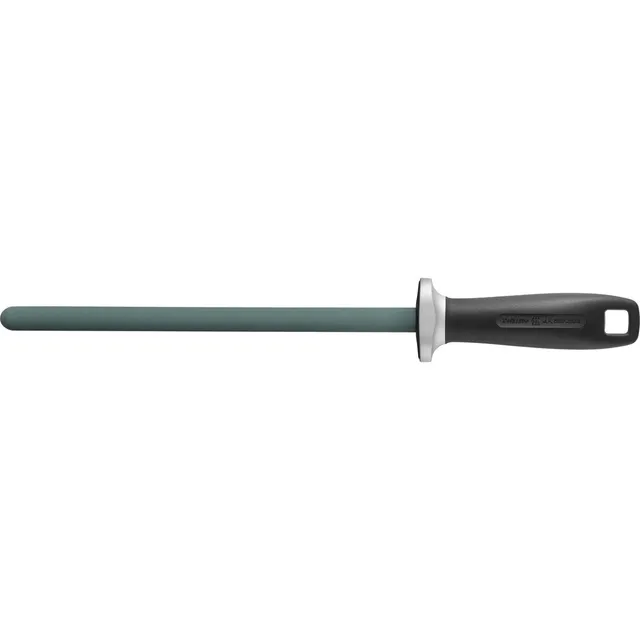
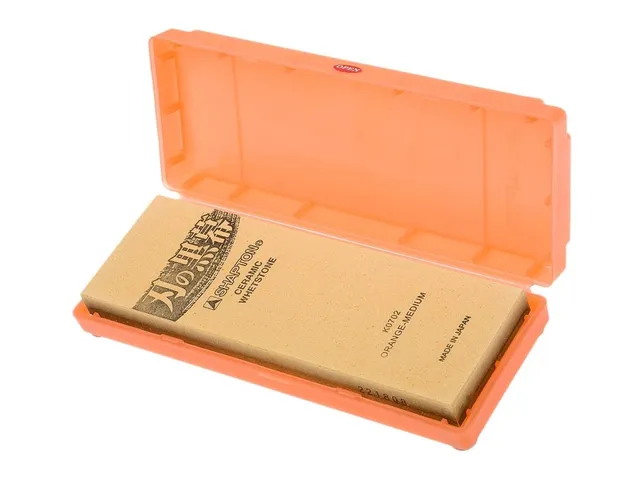
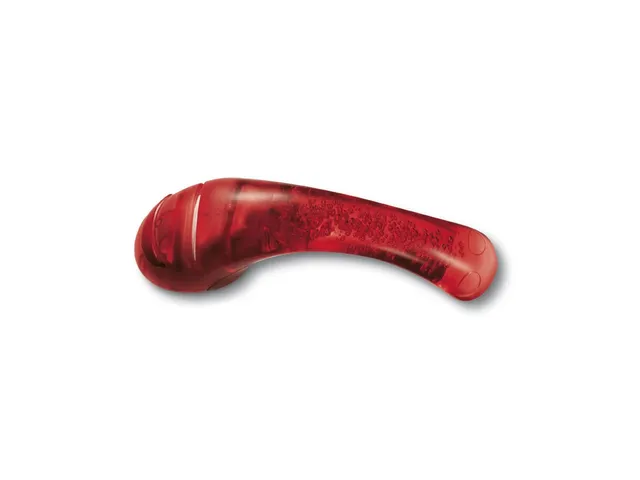
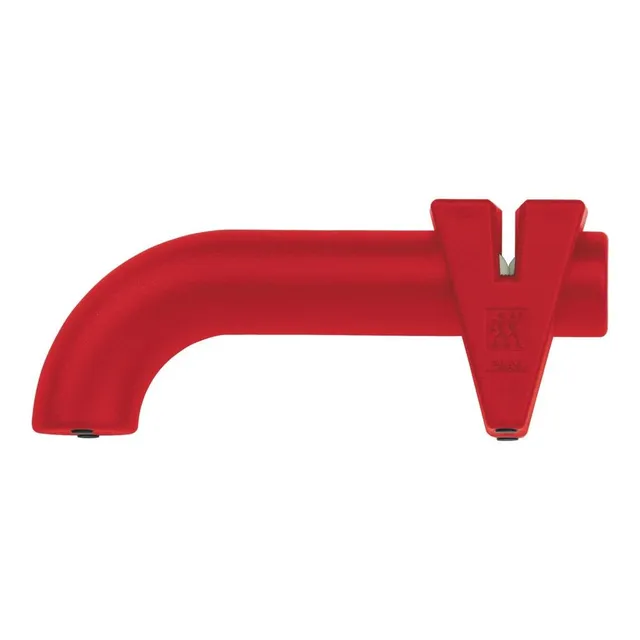
Stones, a ceramic rod, pull-through and electric sharpeners for a kitchen's knives, chosen from edges examined under a microscope, test-kitchen comparisons and the advice of people who sharpen their own knives.
5 items
Cast iron, carbon steel and stainless frying pans you keep for good, chosen on what test kitchens found and what owners say after years.
Prices from shops in Czechia.
A pan does two things with heat: it spreads it and it keeps it. Metals are usually good at one or the other, so each material behaves a little differently at the stove.
If you want one pan for everything except sauces, we’d start with carbon steel: lighter, and it gets better with use.
If you’d rather not season anything, a non-stick pan is a fair choice, as long as you replace it when the coating wears. America’s Test Kitchen puts that at three to five years with careful use.
Cast iron is what you reach for to sear and bake, and for anything that goes from the hob into the oven. It heats unevenly, so let it warm up slowly before the food goes in.
In 2024 Germany’s ÖKO-TEST put cast iron pans through a citric acid test, and three of six uncoated ones released metals above the Council of Europe’s non-binding guidance values. The free summaries don’t name Lodge or Skeppshult, so we can’t say how they did; it’s one more reason to keep long acidic simmers out of them.
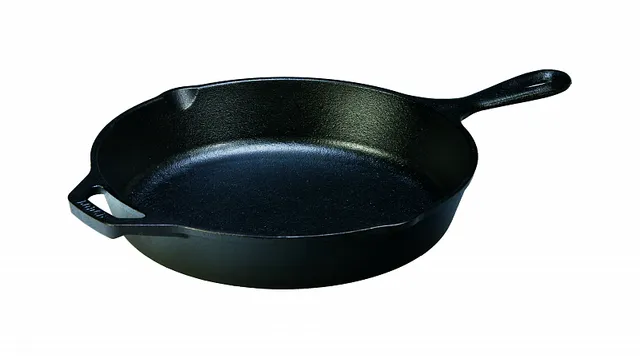
The cheapest way into cast iron and America’s Test Kitchen’s budget pick: rough at first, it releases well after a few rounds of cooking. Heavy; never let it soak.
CZK 1,340 inadoma.cz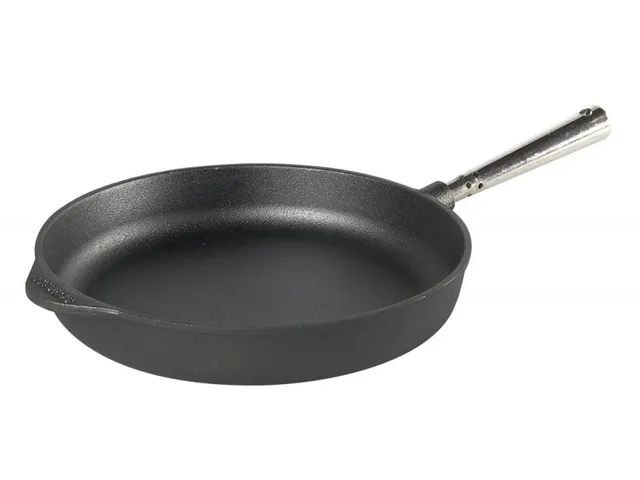
Cast in Sweden and machined smooth inside, so it turns slick sooner than a Lodge; shops quote a 25-year warranty. Deep enough for everyday frying, and heavy.
CZK 4,290 sosjezirka.czCarbon steel asks for the same care as cast iron and gives you a lighter pan. The first eggs will stick. After a few rounds of cooking it turns slick, and America’s Test Kitchen found that smoother pans get there sooner. It also found that thick pans resist warping, and steel warps if you take it from a hot hob to cold water, so let it cool.
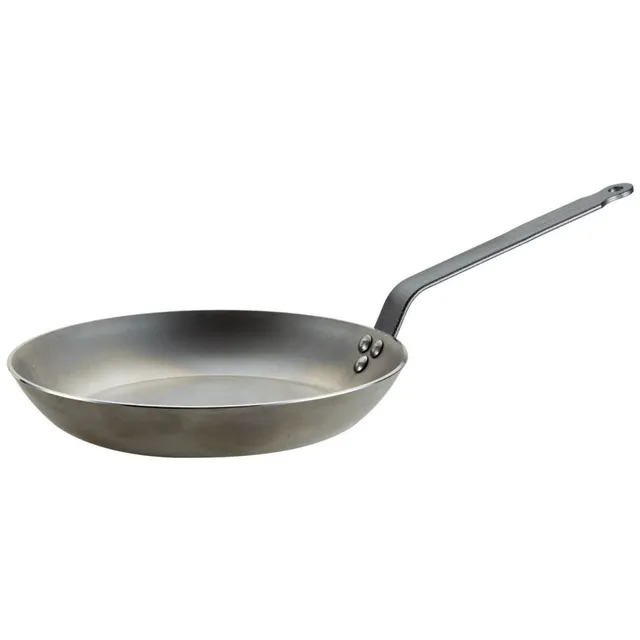
Plain 3 mm carbon steel from a French maker chefs use: lighter than cast iron and quick to heat. It arrives with a factory coating to scrub off, and it’s not for tomato sauce.
CZK 1,102.50 profikuchyn.cz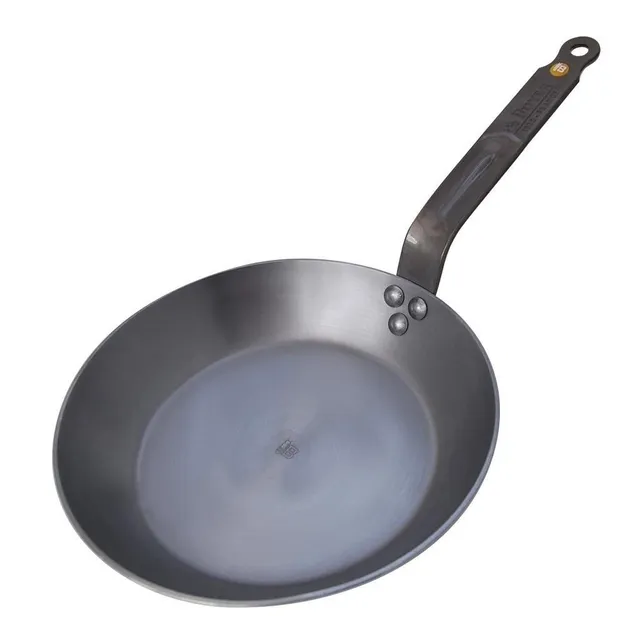
The carbon steel pan people name most: a beeswax coat washes off with hot water and gives the first seasoning a head start. Shops rate it for short oven use only.
CZK 1,905 eberry.cz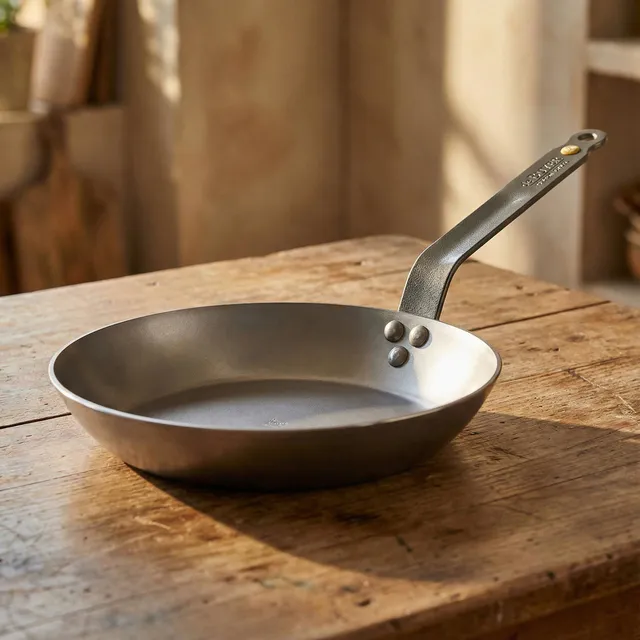
The smaller one, about 1.4 kg, and an easy size to learn carbon steel on: eggs, an omelette, a fish fillet. Too small for two steaks at once.
CZK 1,398 saveursupreme.comBoth of these have an aluminium core in the base, the usual way to make steel spread heat. America’s Test Kitchen found that pans clad all the way up the sides cook better than ones with aluminium only underneath. Stainless isn’t non-stick: preheat, add the fat, then the food, and let it release by itself. In return it goes in the dishwasher, and the browned bits left in the pan become the sauce.
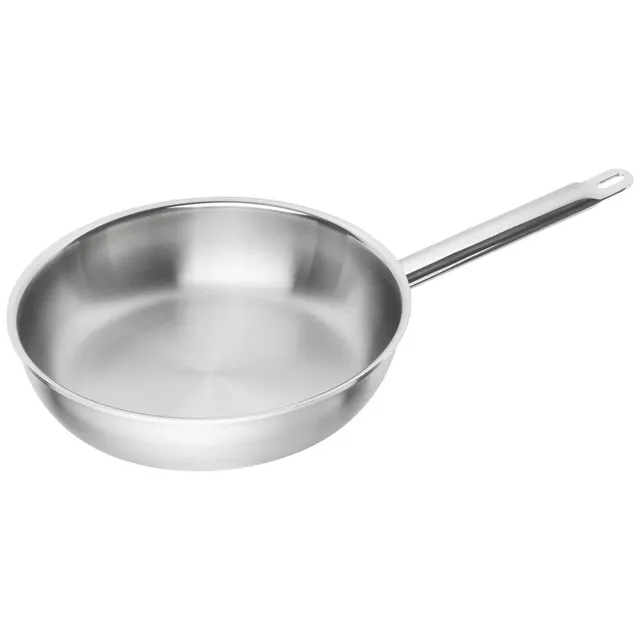
Stainless with an aluminium core in the base, for those who’d rather not season anything; dishwasher-safe and good at browning and pan sauces. Food sticks until you learn to preheat.
CZK 2,650 hobbykompas.cz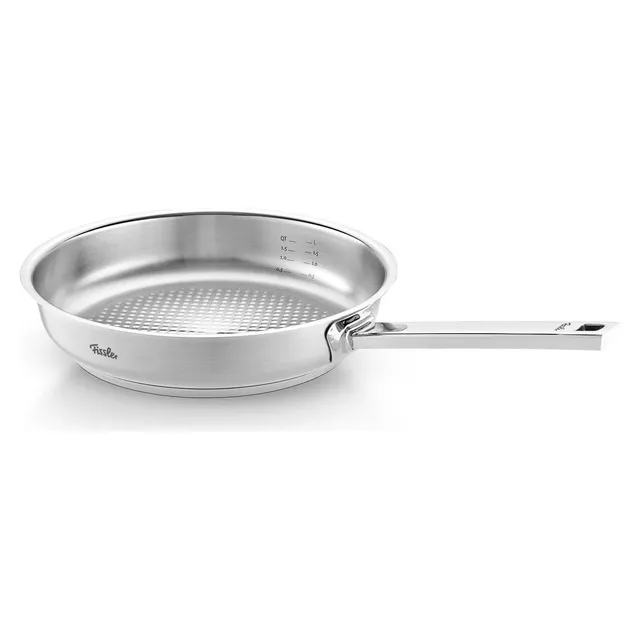
Fissler’s professional line: heavy, high-rimmed, with a matt finish that hides scratches and a handle that stays cool; shops quote a ten-year warranty. Aluminium in the base only.
CZK 3,236 kaufland.czLow, sloping sides make it easy to slide a spatula under a crêpe, and thin steel answers the burner quickly. Owners also use this kind of pan for eggs, sausages and the odd steak.
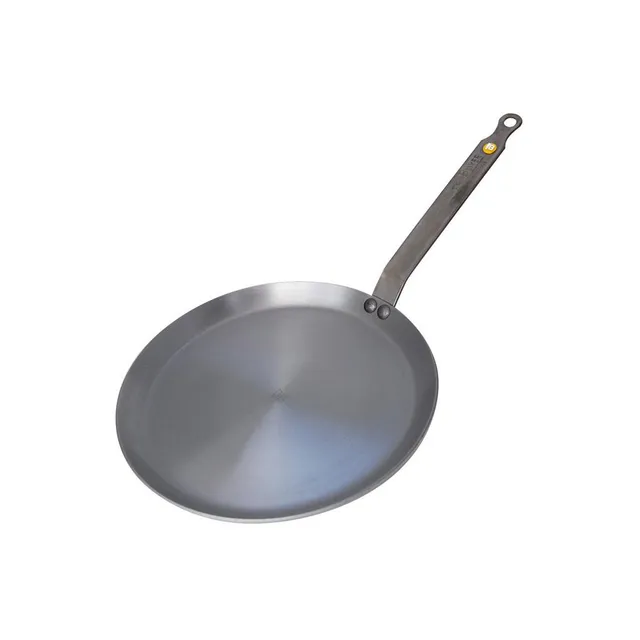
Low, sloping sides and thin steel that answers the burner quickly: the classic crêpe pan, and good for omelettes too. The low rim is no use for braising.
CZK 1,268 saveursupreme.comEverything you want in one place. We show you where each is cheapest and tell you when the price drops.
Stones, a ceramic rod, pull-through and electric sharpeners for a kitchen's knives, chosen from edges examined under a microscope, test-kitchen comparisons and the advice of people who sharpen their own knives.
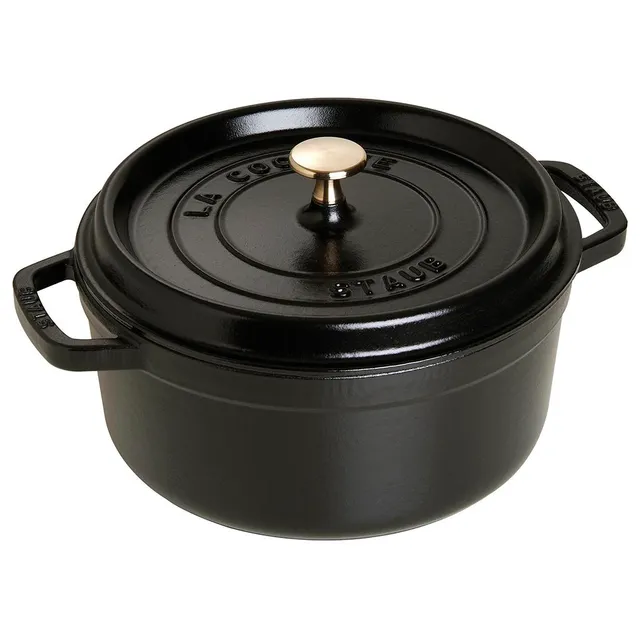
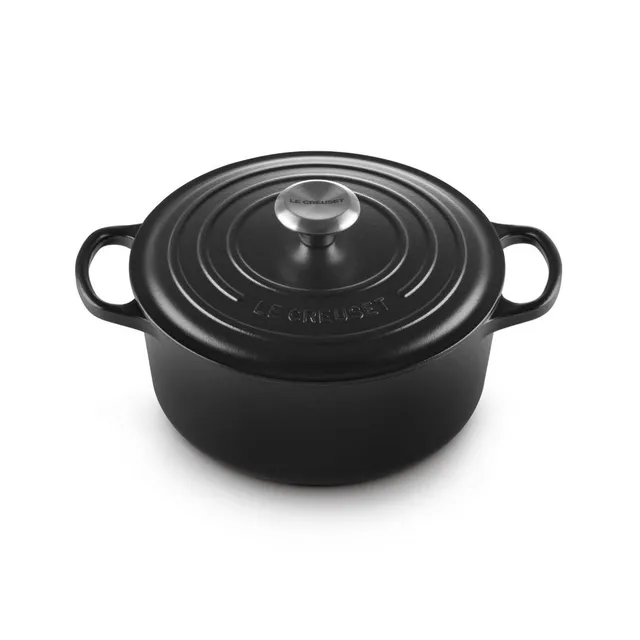
Kitchen gifts for someone who cooks a lot: things to use for decades, chosen on tests and on what owners say years later.
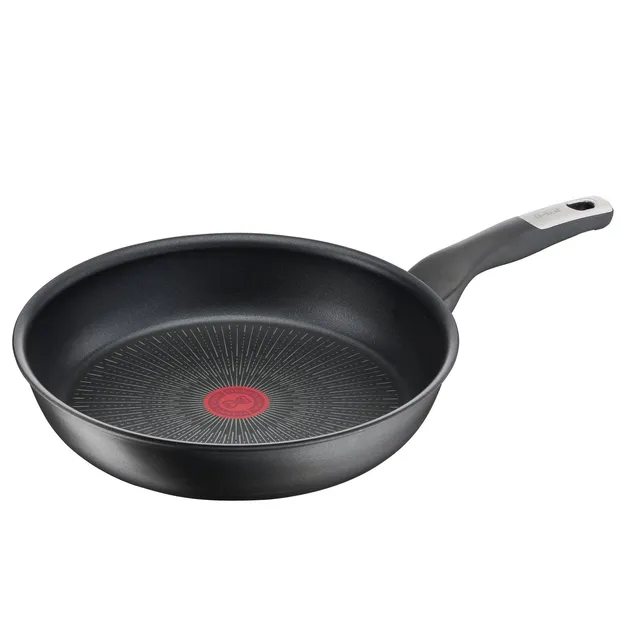
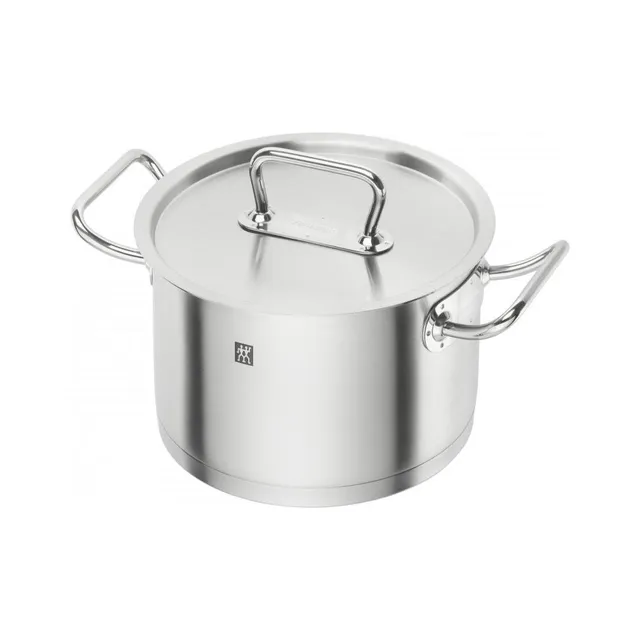
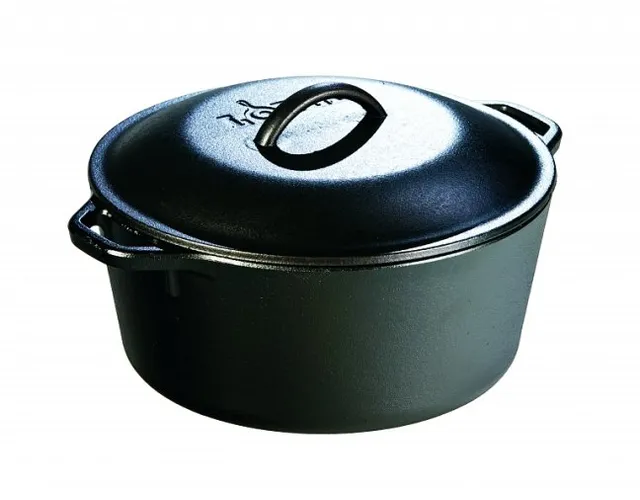
What cooking in a first flat needs, bought once: chosen on what test kitchens and consumer tests found and on what owners say after years of use.
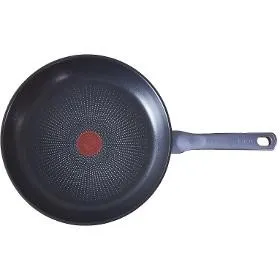
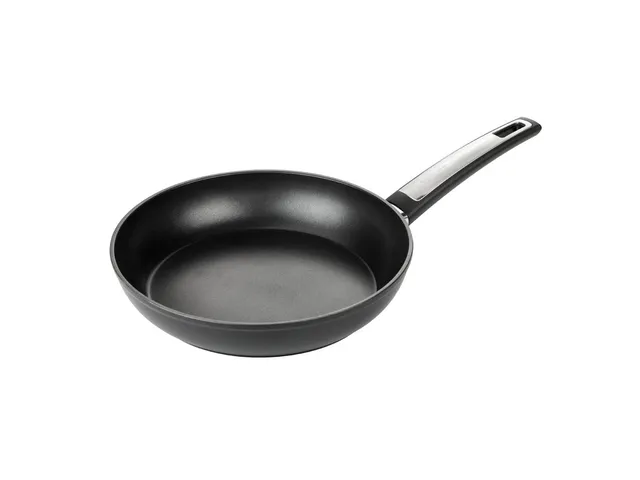
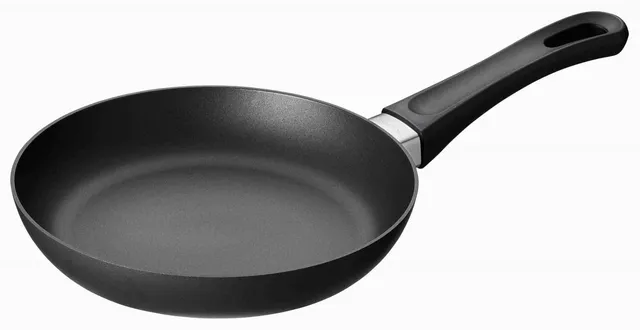
Teflon and ceramic non-stick pans for everyday cooking, chosen on independent tests and on what the food-safety bodies actually say, with how to use them so they last.
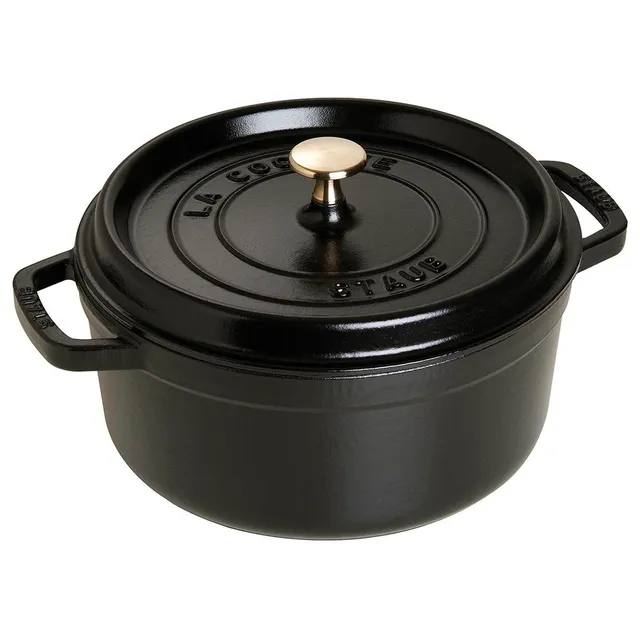
Cast iron for slow cooking and searing, enamelled or bare, chosen on cooking tests, on what owners say after years and on what each one asks of you in care and weight. Pots and pans to keep for decades.
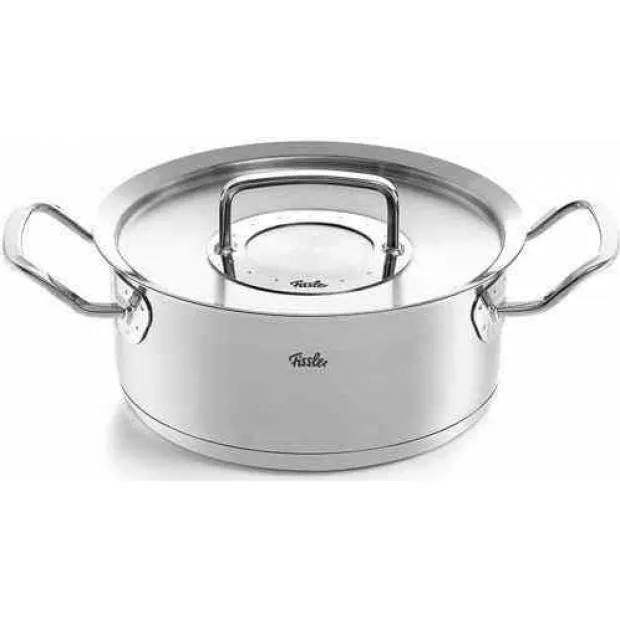
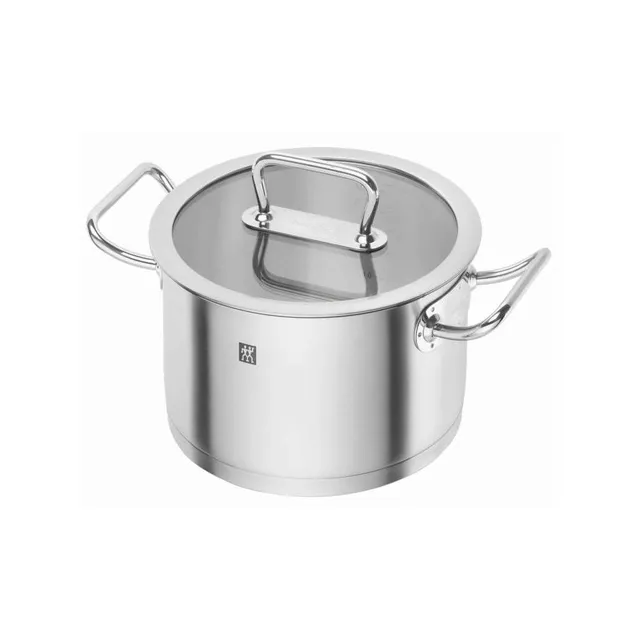
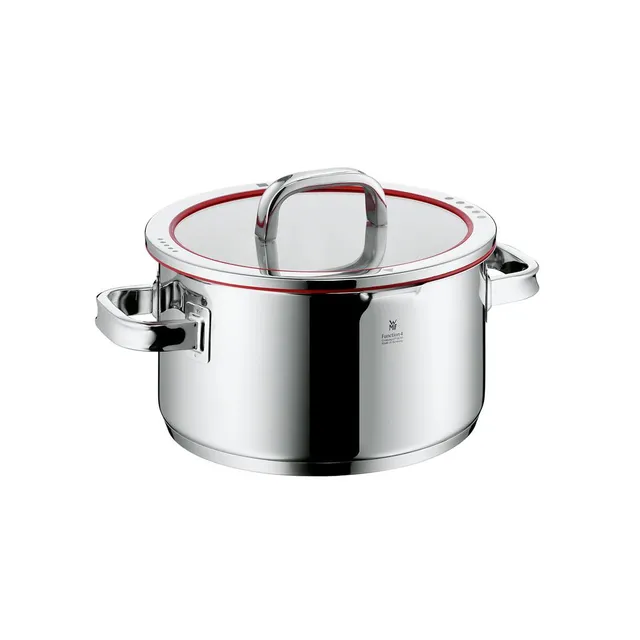
Stainless pots and sets for everyday cooking, chosen on independent tests and on what owners say after years of use. A thick, flat base matters more than the name on the lid.