For the cook
Kitchen gifts for someone who cooks a lot: things to use for decades, chosen on tests and on what owners say years later.
10 items
Stones, a ceramic rod, pull-through and electric sharpeners for a kitchen's knives, chosen from edges examined under a microscope, test-kitchen comparisons and the advice of people who sharpen their own knives.
Prices from shops in Czechia.
A knife goes dull in two ways, and they need different fixes. Most often the very edge folds over to one side, so the knife cuts badly long before it's actually worn. Honing pushes it back. Sharpening is for when the edge really is worn away and steel has to come off.
The usual line is that a honing rod only straightens. Todd at Science of Sharp cut edges open and looked at them under an electron microscope, and found that steel and ceramic rods do also remove a little metal and form a tiny secondary bevel. That keeps the edge keen, but it doesn't thin the blade the way a stone does.
Cooks and professional sharpeners argue about rods at length (r/chefknives). They agree on one thing: a dull edge needs a stone.
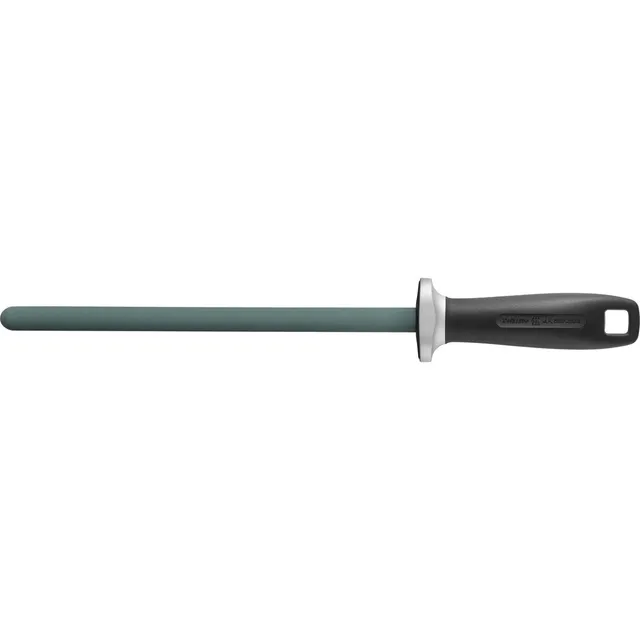
Keeps an edge keen between stones, and works on hard Japanese steel where a smooth steel rod slips. It breaks if dropped, and it won't revive a truly dull knife.
CZK 1,345 ifantazie.czA whetstone takes steel off and builds the edge again, which is why it's the real fix for a dull knife. The number is the grit: the lower it is, the coarser the stone.
The angle matters as much as the grit. America's Test Kitchen recommends 15 degrees for Asian-style knives and 20 for Western ones, working from the coarse side to the fine until you can feel a burr, a thin curl of steel, along the whole edge.
Soft stones like the King cut quickly, but they wear, dish, and need soaking first. Hard ones like the Shapton stay flat and don't need soaking. Both need flattening now and then.
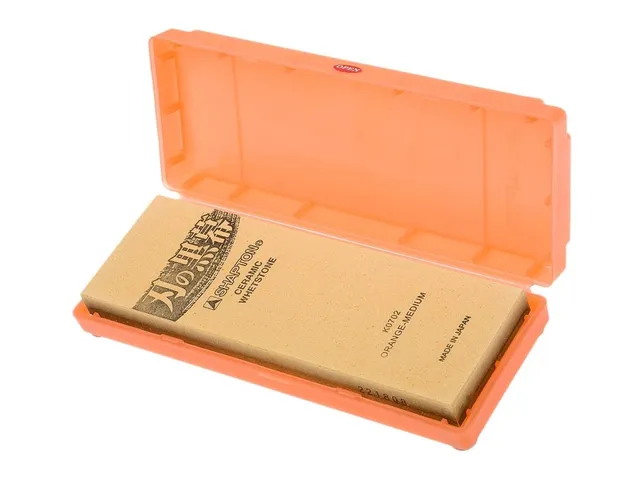
A hard stone that stays flat and needs no soaking, the one sharpening forums most often suggest first. One grit only: add a finer stone or a strop later.
CZK 1,176 armik.czYou pull the knife through a slot or between wheels that hold it at a fixed angle. That's the appeal: a minute's work and nothing to learn. America's Test Kitchen dulled knives, sharpened them and looked at the edges under a microscope. Among manual sharpeners, diamond pull-throughs did best and rolling ones worst, because the cylinder doesn't reach the whole edge.
The catch is the fixed angle. Neither of the two here is diamond, both suit softer Western steel, and a pull-through takes off more steel than a stone does. They're for light touch-ups, not for a Japanese knife. A poster on r/chefknives put it plainly: a cheap stone and a few videos is the usual advice.
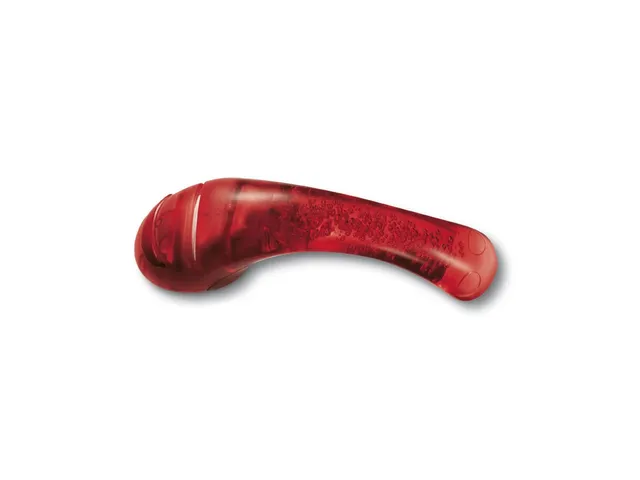
A cheap pull-through with ceramic discs and a fixed 20-degree angle, for a quick touch-up of Western knives. America's Test Kitchen found rolling sharpeners weakest, so expect a touch-up only.
€24.56 ≈ CZK 598 kentaurzbrane.cz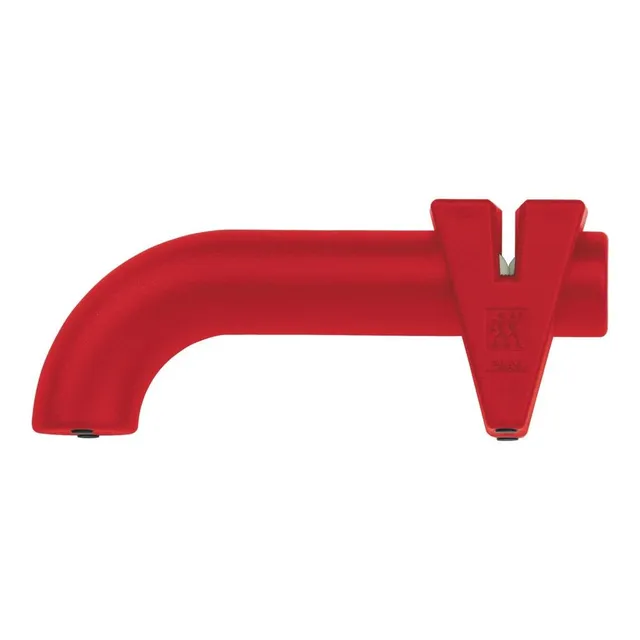
A small two-stage pull-through for touching up soft German steel now and then. It takes off more steel than a stone and can't put a 15-degree Japanese edge on a knife.
CZK 483 pottenpannen.czAn electric sharpener is the quickest way to an edge, and the hardest one to get wrong: the guides hold the angle for you. Wirecutter tested eleven manual and electric sharpeners and chose the Chef'sChoice Trizor XV, the one here.
The price of that ease is steel. It grinds the edge to 15 degrees, which suits European and Japanese knives, but it removes more metal than a stone, so it uses up a knife faster than a stone does. For hard knives a whetstone is gentler.
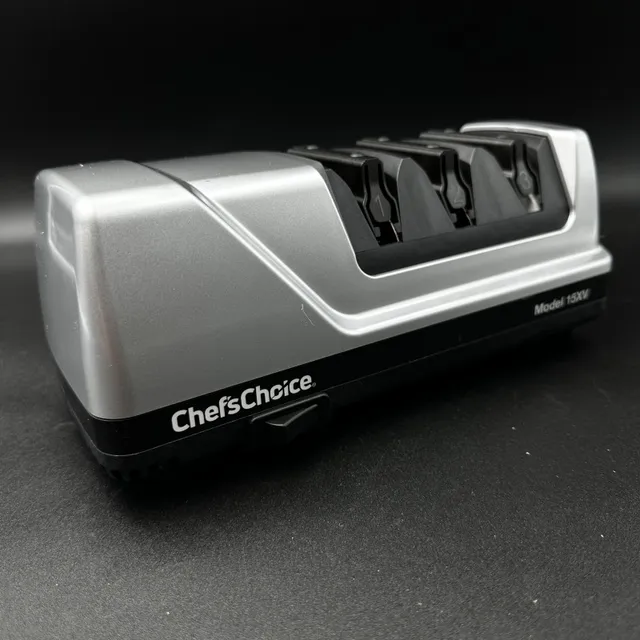
Three stages with diamond wheels and spring-loaded guides that hold the angle, so it's hard to use wrongly; Wirecutter's pick. It sets a 15-degree edge and removes more steel than a stone.
CZK 4,049 profikuchar.czIt depends on the knife and how much patience you have.
Everything you want in one place. We show you where each is cheapest and tell you when the price drops.
Kitchen gifts for someone who cooks a lot: things to use for decades, chosen on tests and on what owners say years later.
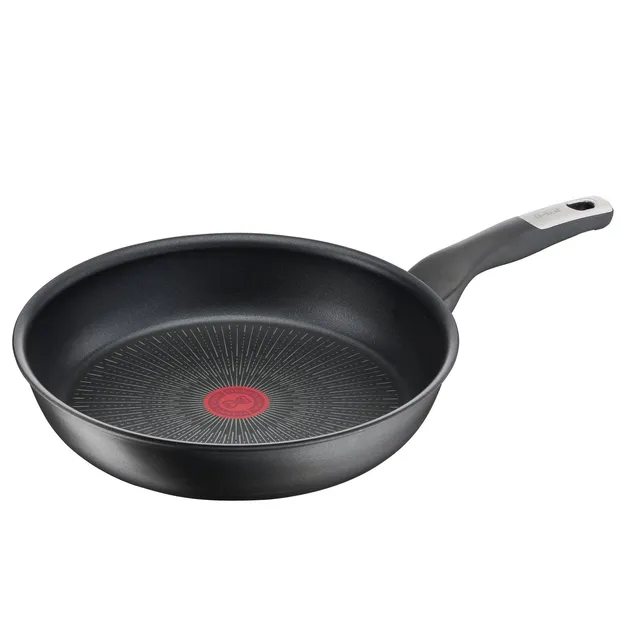
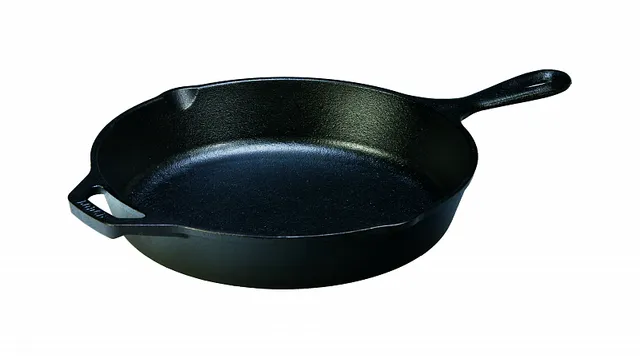
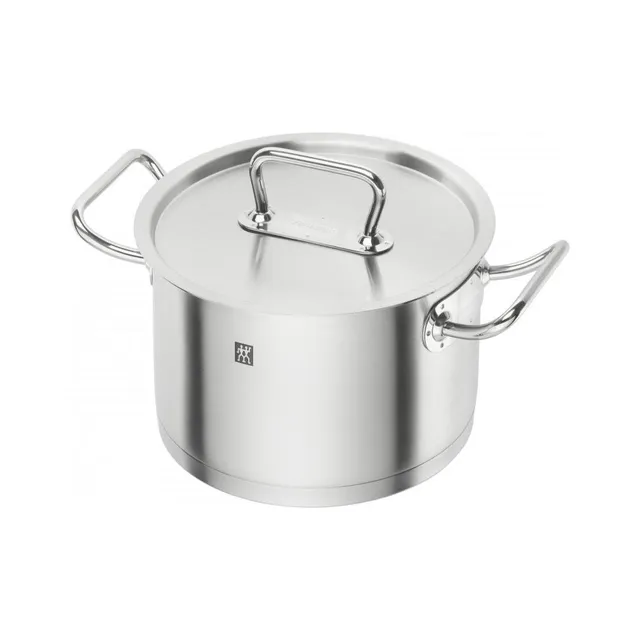
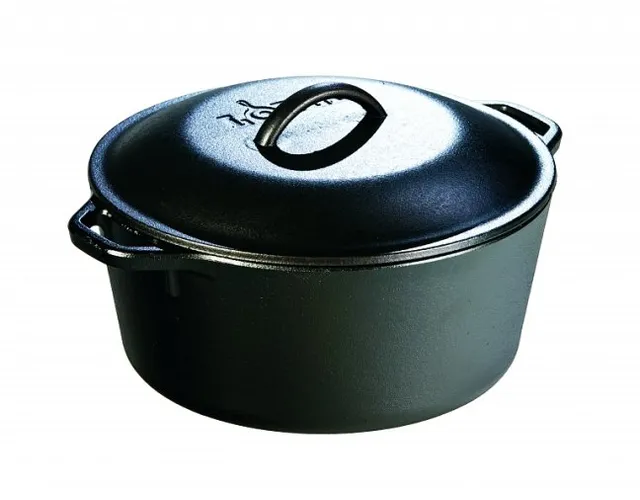
What cooking in a first flat needs, bought once: chosen on what test kitchens and consumer tests found and on what owners say after years of use.
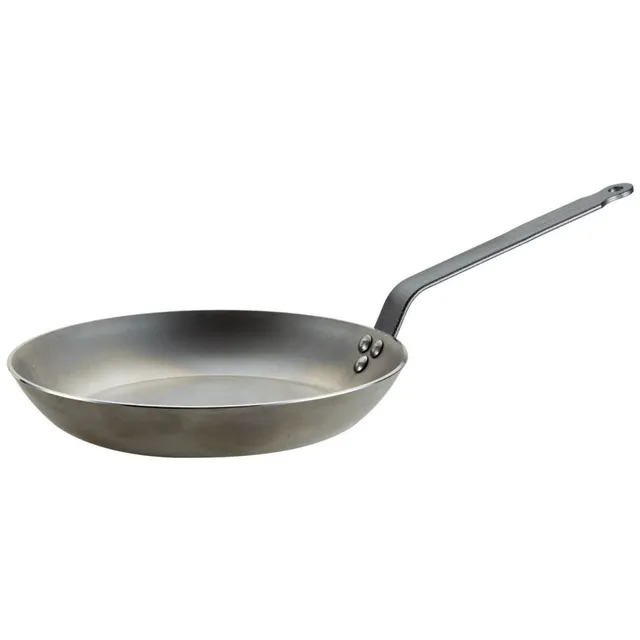
Cast iron, carbon steel and stainless frying pans you keep for good, chosen on what test kitchens found and what owners say after years.
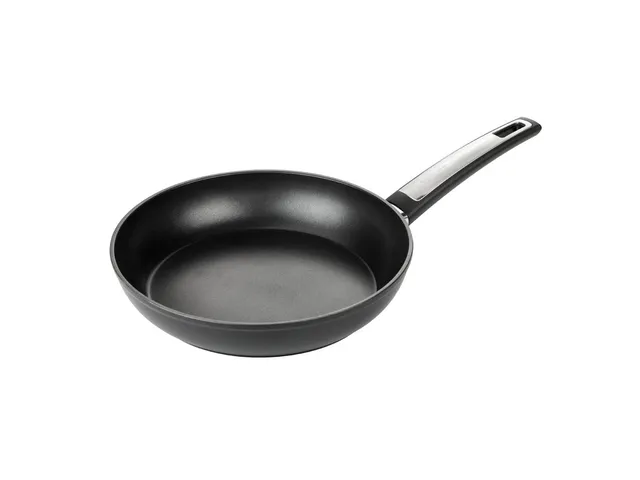
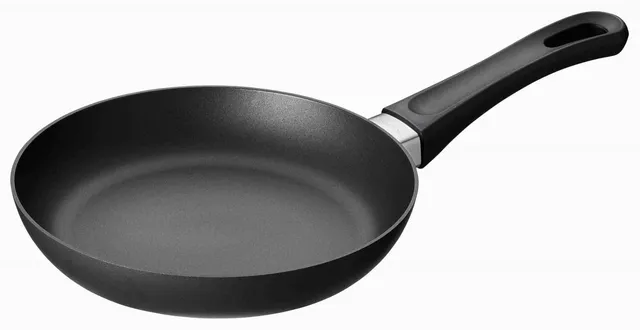
Teflon and ceramic non-stick pans for everyday cooking, chosen on independent tests and on what the food-safety bodies actually say, with how to use them so they last.
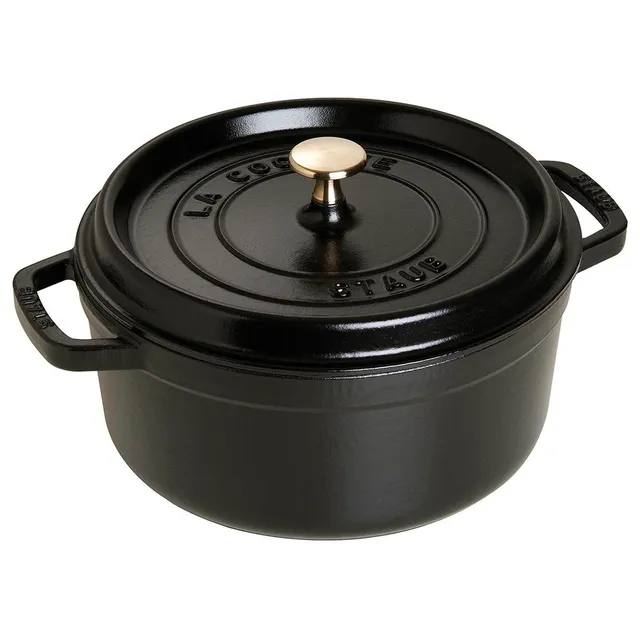
Cast iron for slow cooking and searing, enamelled or bare, chosen on cooking tests, on what owners say after years and on what each one asks of you in care and weight. Pots and pans to keep for decades.
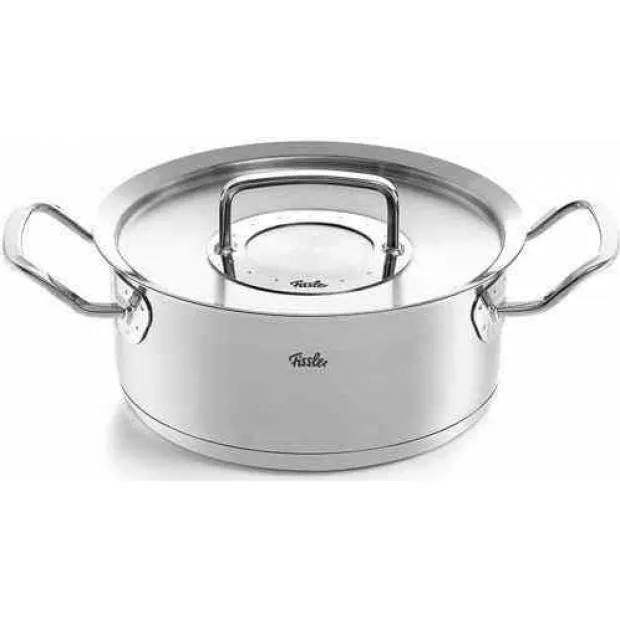
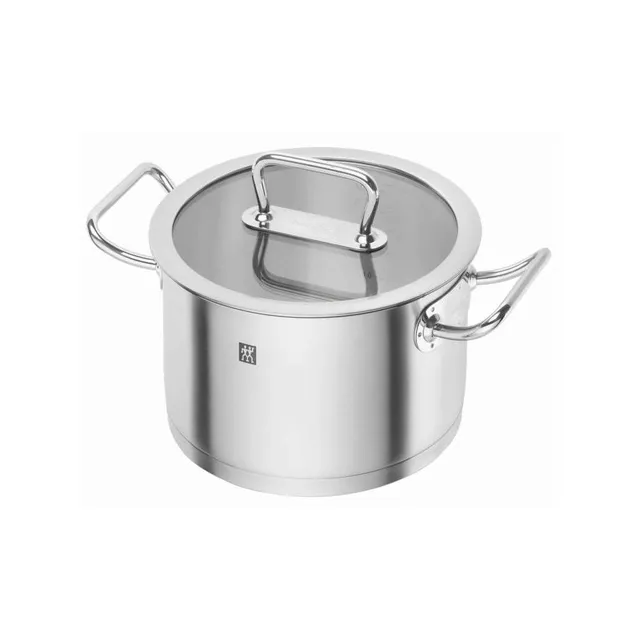
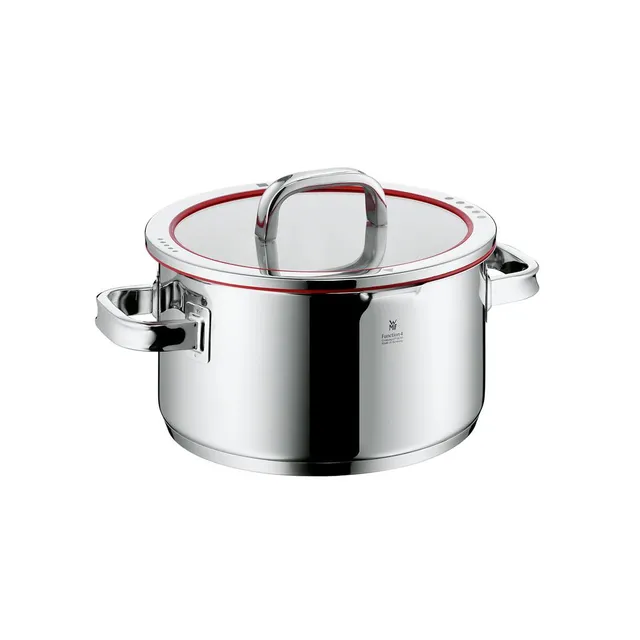
Stainless pots and sets for everyday cooking, chosen on independent tests and on what owners say after years of use. A thick, flat base matters more than the name on the lid.